For most landscapers, the unique beauty and spirit of something made by hand, constructed, and shaped, emphasizes the joy of creating.
And even if it means having a small garden to work with, every landscaper knows the value of enjoying their craft and mastering their skills.
 Having a small garden to work on does not necessarily mean less details and minor work.
What should matter most is to closely assess each detail to come up with the best result.
Generally, when people
describe small gardens, they refer to those areas that have straight walls, borders, lines, and/or walks. Then a problem is created because small gardens tend to create an impression of being dull, rigid, and boring.
The goal of landscaping should delve into how to make the garden look alive, larger, and more appealing.
The Main Concept
The very core of landscaping a small garden is based on how a landscaper can make the most of the size of the area through plant selection.
With a small garden, having the right kind and size of plants is crucial to the outcome of the whole project.
Annuals for shade may include: impatiens, coleus, caladiums (the tubers are just about out of stock, potted plants are still available) and bedding begonias. Caladiums will often produce a single flower stalk right after the first leaves are produced. Early removal of the flower stalk will encourage the plants to produce more lush leaf growth.
For best results with Summer annuals: Remove faded blooms for more productive flowering. If beds are not mulched, then lightly cultivate the upper soil so as not to disturb shallow roots. Doing so improves water absorption, reduces soil compaction and aids in weed control. Plant summer annual plants that take the heat such as periwinkles, purslane, portulaca, lantana, etc.
Size is an important factor because the size of the plants should project an image of a bigger space, even if the area is quite small. The color, shape, and texture of the plantings should be coordinated.
It is best to use curves to create a visible flow to the design. Since small gardens tend to have rigid, straight lines, it's best to have curves to open up the garden to reveal its natural beauty. It is also important to create illusions that will give a small garden an effect of being larger.
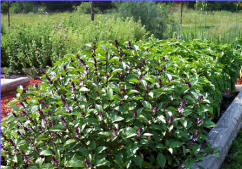
One practical suggestion is to consider planting an herb garden. Herbs are good for landscaping.
The bonus is that herbs are both practical and can be used in cooking and even for delightfully flavored tea. Other options are available but you must carefully consider the plants to insure that they are appropriate for your needs.
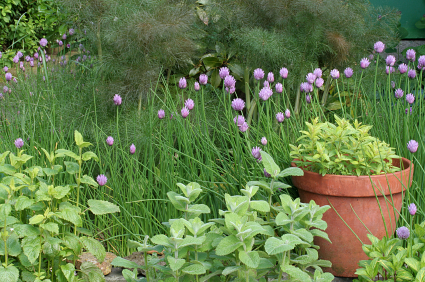
Considering all of these points, landscaping a small garden will never be a daunting task. As they say, it is all in the details. So whether it is a small or a large garden, landscape designers always take note of the details in the design.

No comments:
Post a Comment